Questions about your hearing, answered here
Send an enquiry about your ears or hearing and receive advice at no cost. You are not committing to an appointment or buying anything by asking.
Why people look for help with their hearing
Hearing changes slowly. Most people do not notice a shift until they start missing words in conversation or turning the television up louder than usual. By that point, the change has been happening for months.
That slow pace is exactly why uncertainty builds. You might wonder if you imagined the muffled sound on the phone, or if the busy pub was just louder than normal. Without a baseline measurement, there is no way to know.
An audiologist can measure how well each ear picks up different pitches. The test takes place in a quiet room using headphones, and the results show precisely where hearing sits today compared to expected norms. That clarity removes the guesswork.
If the results fall within normal limits, the worry stops there. If they show a dip, the audiologist discusses what it means and whether any action would help. Nothing happens without agreement.
When ear wax becomes a problem
Wax is produced by the ear canal to protect the skin inside. For most people it moves out naturally. Sometimes it builds up, dries, and blocks the canal.
A blocked ear feels strange. Sound arrives muffled, as though someone placed cotton wool over the opening. Some people notice a faint ringing or a sense of pressure that does not go away when they swallow.
Specialist firms remove wax using controlled water irrigation or small instruments under direct vision. They examine the canal first to confirm the blockage is actually wax rather than something else causing the symptoms.
Attempting to clear it at home with cotton buds usually pushes the wax deeper against the eardrum. A specialist has the lighting and tools to see past the bend in the canal where home methods cannot reach safely.
What happens during a hearing test in Salford
The appointment starts with questions about daily life. The audiologist asks which situations cause difficulty, whether one ear seems worse than the other, and if any pain or discharge has occurred recently.
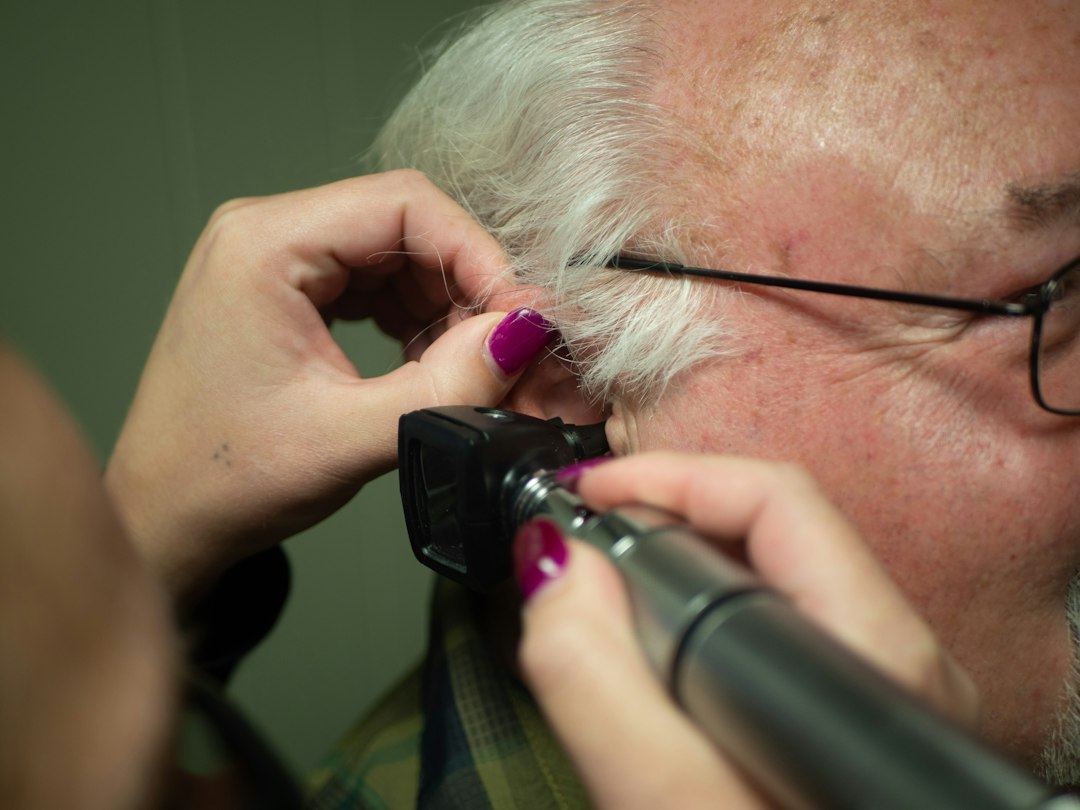
Next comes the physical check. An otoscope lets the audiologist look along the ear canal to the eardrum. This rules out wax blockage, infection, or fluid behind the drum before testing begins.
The hearing test itself involves wearing headphones in a treated booth. Tones play at different pitches and volumes. Each time a sound is heard, a button is pressed. The audiologist plots the softest sounds detected at each frequency.
Speech testing follows. Words are played through the headphones, sometimes with background noise added, to see how clearly spoken language comes through. The full picture shows not just whether a sound registers but whether it carries meaning.
Results appear on an audiogram. The audiologist walks through the chart, pointing out where hearing is sharp and where it dips.
Deciding whether hearing aids make sense
A test result alone does not mean hearing aids are necessary. The decision depends on how much the loss affects everyday tasks. Someone who struggles to follow conversations at work faces a different situation from someone who notices a slight drop only in very quiet rooms.
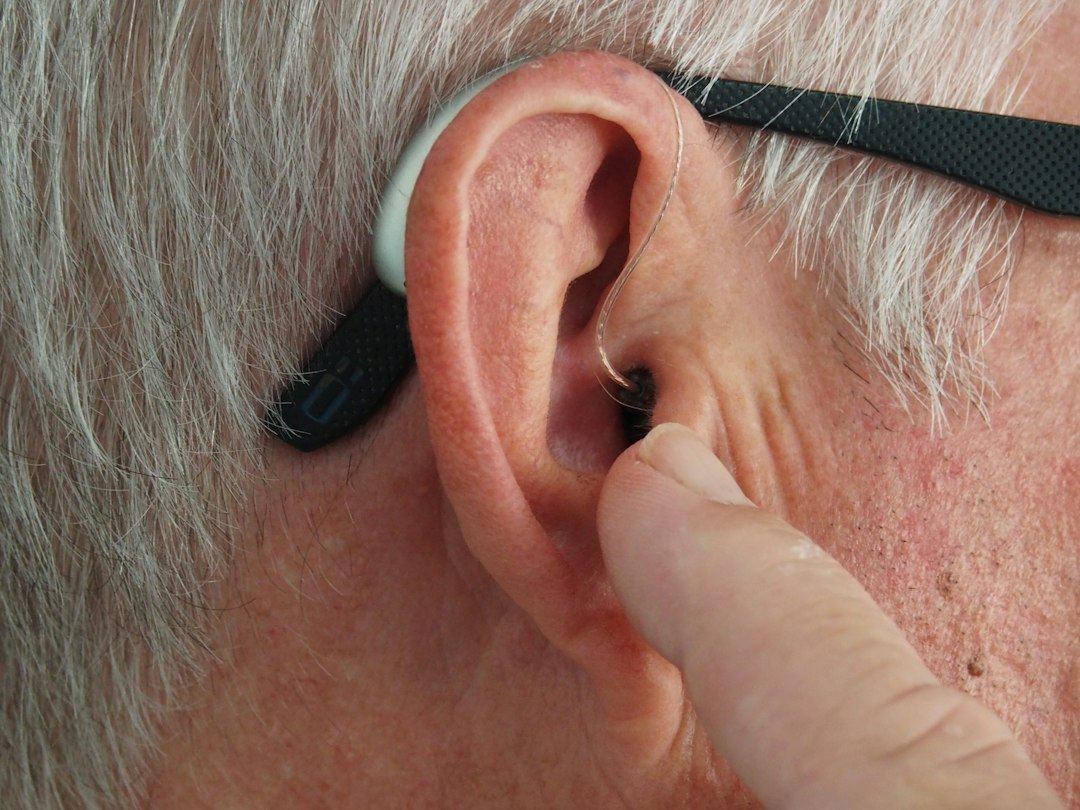
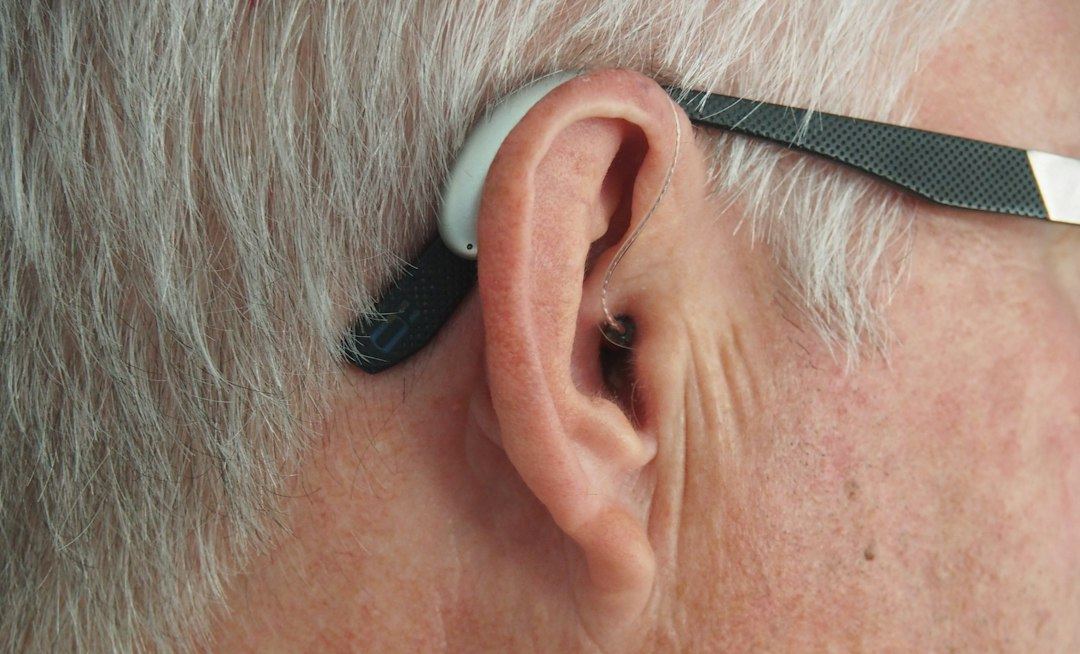
When aids are appropriate, the audiologist explains the styles available. Behind-the-ear models sit discreetly above the ear. In-the-canal options fit partly inside the bowl of the ear. The choice depends on the shape of the canal, the degree of loss, and personal preference.
Modern devices process sound digitally. They reduce steady background noise while keeping speech clear. Some link to phones via Bluetooth so calls stream directly into the ears.
Fitting involves programming the aid to match the specific frequencies where hearing is weakest. Follow-up appointments allow fine-tuning once the wearer has tried them in real environments like shops, cars, and family gatherings.
Looking after your hearing day to day
Loud noise causes permanent damage to the tiny hair cells inside the inner ear. Once those cells stop working, they do not grow back. Protecting ears from excessive volume is the single most effective thing anyone can do.
At concerts or while using power tools, foam plugs or moulded protectors cut the decibel level reaching the drum. Earphones used at high volume for long stretches carry the same risk as standing near machinery.
Regular checks matter even when nothing feels wrong. Hearing can shift gradually enough that the brain compensates, masking the decline until it becomes obvious in difficult listening conditions.
If a sudden change occurs, such as waking with one ear completely blocked or a sharp onset of ringing, seeing a doctor promptly is important. Sudden sensorineural hearing loss responds best to treatment started within days, not weeks.
Signs your hearing might have changed
Hearing loss rarely announces itself. It creeps in through missed words and constant adjustments. These are the things people tend to notice at home before booking a test.
- 1
Turning the television up
Others in the room mention the volume is loud, but it sounds normal to you. This often points to reduced sensitivity at higher pitches.

- 2
Asking people to repeat themselves
You catch that someone spoke but miss the actual words, especially in rooms where more than one person talks at once.
- 3
Ringing or buzzing sounds
A tone plays in one or both ears when the room is quiet. It may come and go, or stay constant throughout the day.

- 4
Muffled sensation in one ear
Sound feels distant or blocked on one side, similar to the feeling after swimming, but it does not clear after a few hours.
- 5
Withdrawing from noisy places
Pubs, restaurants and family gatherings feel exhausting because following the conversation takes intense concentration. This often points to early hearing loss, though tiredness or background noise alone can cause it too.
Common questions about ear care
-
Straight answers to the things people ask before booking an appointment in Salford.
- Does a hearing test hurt?
- No. It involves listening to tones through headphones and pressing a button. There is nothing invasive or painful about it.
- Can I remove ear wax myself?
- Cotton buds push wax deeper. Specialist firms use safe irrigation or micro-suction to clear the canal without risking the eardrum.
- How long do hearing aids last?
- Most devices work well for three to seven years. Battery type, daily wear, and maintenance habits affect their lifespan.
- Is tinnitus permanent?
- Sometimes it fades on its own. When it persists, management techniques and certain hearing aids can reduce how noticeable it feels.
- Do I need a GP referral?
- No. You can book directly with an audiologist in Salford without going through your doctor first.
Tell us what you have noticed
Send a short description of what is happening with your ears or hearing. You will receive guidance on whether a test or wax removal makes sense, with no obligation to book.
- No obligation
- Free initial advice
- Local to Salford