For families in Salford
Arranging a hearing test for your parent
Send an enquiry about booking a hearing test for your parent. There is no charge to ask, and it does not commit them to anything until they agree to go.
Starting the conversation without an argument
Telling someone their hearing has slipped rarely goes smoothly. Most parents hear fine in a quiet kitchen but struggle when the television is on or several people talk at once. Pointing that out can feel like criticism, so they shut down.
Pick a moment when the house is calm. Mention something specific you noticed rather than making a general statement. You might say you saw them miss the doorbell yesterday, or that you had to repeat yourself three times at dinner. Keep it factual.
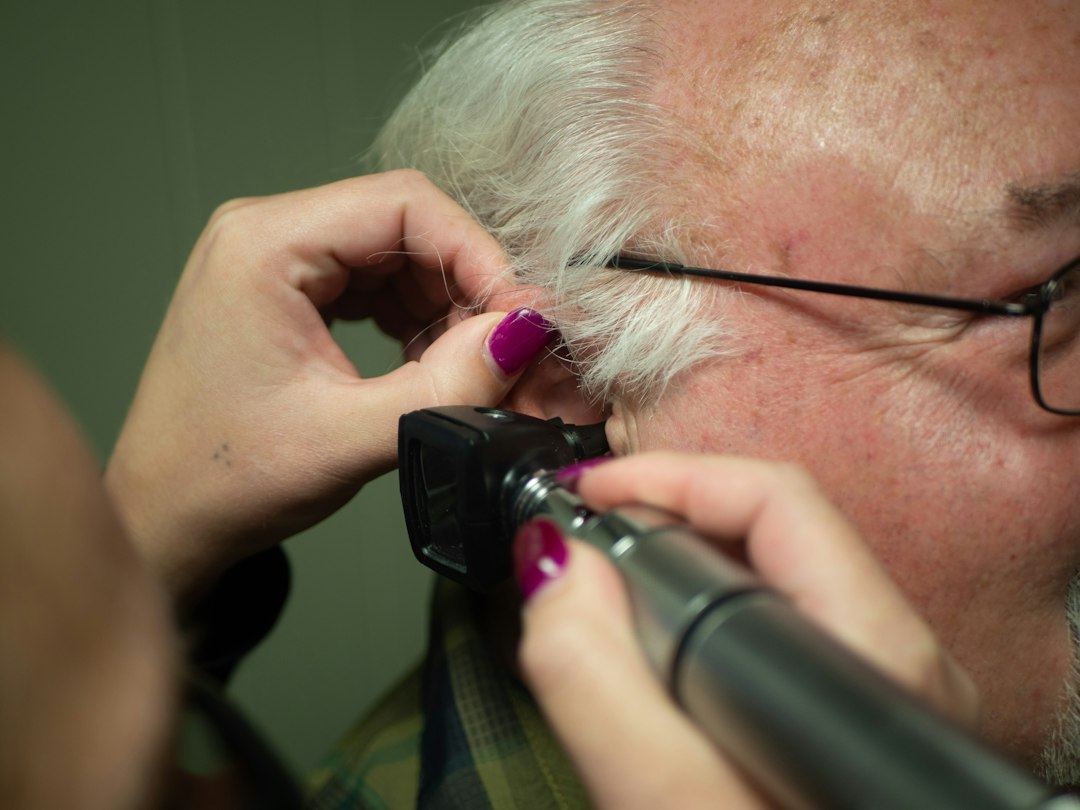
Frame the appointment as a routine check rather than a fix for a problem. People who have never had a hearing test often imagine a clinical ordeal. The reality is a quiet room, some tones played through headphones, and a conversation with an audiologist who explains everything as they go. Knowing this beforehand makes the idea much easier to accept.
If they refuse, leave it alone for a few days. Pushing harder usually hardens their position. You can always try again later, perhaps after another missed phone call or a moment where they ask you to repeat something.
What the appointment actually involves
A hearing test takes about thirty minutes. The audiologist will start by asking about medical history, any ringing in the ears, and situations where listening feels difficult. This part is just talking, sitting in a normal chair.
Then your parent moves into a sound-treated booth. They wear headphones and press a button each time they hear a tone. The tones get quieter. That is all there is to the main test. Nothing goes inside the ear beyond the headphone cushion.
Afterwards, the audiologist plots the results on a chart called an audiogram. They sit back down with your parent and explain what the lines mean. If hearing has dropped in certain pitches, they show exactly where and by how much.
For someone reluctant, the lack of pressure matters. The audiologist does not force a decision on the spot. They present the facts, discuss options if any are needed, and let your parent think it over. Many people expect to be sold something immediately. That does not happen.
Why it helps to send the enquiry yourself
You do not need your parent to make the first move. Sending an enquiry on their behalf means you handle the logistics while they only have to turn up.
When you fill in the form, mention that you are asking for a parent and note any concerns they have raised about clinics or appointments. The specialist firms who carry out the tests see enquiries like this regularly. They know how to pace the visit so a nervous person stays comfortable.
Once you send the details, the enquiry goes to a firm that provides audiology services in Salford. Someone from that firm calls you back to arrange a date. You can choose a time that fits around your parent's routine, avoiding early mornings or busy travel periods if those cause stress.
Handling the booking yourself removes the administrative burden from them. All they need to do is agree to attend. Everything else, from finding the clinic to confirming the time, is already sorted before they step through the door.
Signs your parent might be losing their hearing
Hearing loss creeps in slowly. Your parent may not notice it themselves, but small changes in daily habits often give it away long before they admit a problem exists.
- 1
Television volume keeps rising
The volume sits higher than it used to. Other family members find it uncomfortably loud, but your parent seems fine with it.

- 2
Asking people to repeat things
They say "what?" frequently during conversations, especially when background noise is present, like a running tap or radio.
- 3
Withdrawing from group chats
At family meals or gatherings they stay quiet, smile politely, or stop joining in because following multiple voices feels exhausting.

- 4
Missing the doorbell or phone
They do not react to sounds that used to prompt an immediate response, yet hear perfectly well when spoken to face to face.

Questions about testing a reluctant parent
These come up often when a family member arranges a hearing test for someone who is unsure about going.
- Can I book it for them?
- Yes. Send the enquiry yourself and provide their details. The clinic contacts you to confirm the appointment time.
- Will they be pressured to buy aids?
- No. The audiologist shares the test results and discusses options. Any decisions happen later, at your parent's pace.
- How long does it take?
- Around thirty minutes from sitting down to leaving. Most of that time is spent talking through the results.
- What if they change their mind?
- Appointments can be rearranged. Let the clinic know as soon as possible so the slot opens for someone else.
- Do they need a referral?
- No. A GP letter is not required. Anyone can attend a hearing test directly through a private clinic.
Send an enquiry for your parent
Tell us a little about your parent and what you have noticed. The details go to a local audiology firm who will call you to arrange a suitable time. There is no obligation to proceed.
- No cost to enquire
- No obligation to book
- Local Salford clinics