Tinnitus in Salford
Why your ears are ringing and what to do next
Send an enquiry about the ringing you hear. A local audiologist will read it and reply with advice on what might help, without any charge or obligation to book.
What ringing in the ears actually is
Ringing in the ears has a clinical name: tinnitus. It describes any sound you hear that does not come from outside your head. People describe it as buzzing, humming, hissing or clicking, though a steady high-pitched ring is the most common pattern.
The sound is real to the person hearing it. It originates in the auditory system rather than the room. Sometimes it follows a period of loud noise exposure, like a concert or time spent near machinery. Other times it arrives without any obvious trigger at all.
Tinnitus varies widely between people. For some it fades after a few days. For others it stays and changes in volume depending on stress, tiredness or background noise. An audiologist treats it as a symptom to investigate rather than a condition to simply accept.
Why quiet rooms make the ringing louder
You probably notice the ringing most when you lie down at night or sit in a silent room. This happens because the brain constantly searches for sound. When external noise drops away, internal signals become easier to detect.
During the day, traffic, conversation and household sounds mask the ringing. At night, those distractions disappear. The volume of the tinnitus itself may not change, but your awareness of it does. That shift can make it feel far worse than it did an hour earlier.
This pattern is so predictable that many people find relief just by keeping a low sound playing nearby. A fan, soft music or white noise gives the brain something else to process. An audiologist will ask about this directly, since noticing the sound mainly in silence helps narrow down what is happening.
Common patterns an audiologist looks for
Not all ringing sounds the same, and the differences matter. A high, thin tone often points toward changes in how the inner ear processes certain frequencies. A lower hum or roar sometimes links to fluid pressure or congestion in the middle ear.
Pulsing that matches your heartbeat is another distinct pattern. It can relate to blood flow near the ear structures. Ringing in one ear only tends to prompt different questions than a sound present equally on both sides.
An audiologist maps these details carefully. They will ask whether the sound is constant or comes and goes, whether it started suddenly or built up over weeks, and if anything makes it better or worse. These answers shape which checks happen next. The goal is to build a clear picture of the specific type of tinnitus before discussing management options.
What happens during a tinnitus assessment
A visit for ringing ears usually begins with questions. The audiologist asks about noise exposure at work or through hobbies, recent illnesses, medications and any history of ear infections. They also ask how the sound affects sleep and concentration.
Next comes a hearing test. Tinnitus frequently accompanies hearing loss, even mild changes you have not noticed yet. Testing several frequencies shows whether the pitch of the ringing aligns with a dip in hearing ability. That alignment often explains why the brain generates the phantom sound.
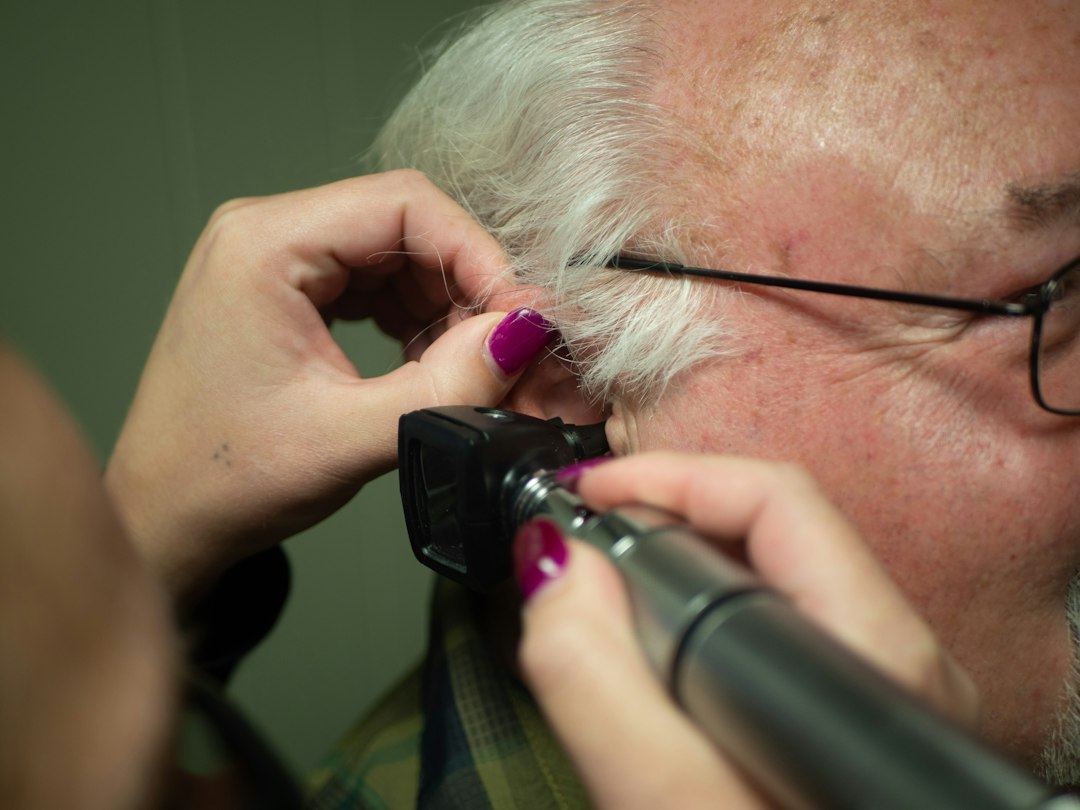
The audiologist examines the ear canal too. Compacted wax pressing against the eardrum can cause or worsen ringing. If wax is the problem, removal often reduces the noise significantly. Once the examination is complete, the audiologist discusses what they found and outlines practical steps, which might include sound therapy, hearing aids or simple daily habits to manage the noise.
I keep hearing a sound nobody else can hear
Hearing a noise that has no external source is called tinnitus. It happens because the auditory system produces its own signal, often linked to minor hearing shifts or ear blockage.
- 1
High-pitched whine at bedtime
A thin, steady note that appears when the house goes quiet. It often points to mild high-frequency hearing changes.

- 2
Whooshing that matches your pulse
A rhythmic swooshing in time with your heartbeat. This pattern suggests blood flow near the ear needs checking.
- 3
Muffled hearing alongside ringing
Sound feels duller while the ringing persists. Compacted wax or fluid behind the eardrum could be responsible.

- 4
Buzzing after a loud event
A temporary drone following a gig or noisy worksite. It usually fades within days but signals noise strain.

Questions about ringing ears
Answers to the things people ask most often when they first notice a persistent sound in their ears.
- Will the ringing go away on its own?
- Sometimes. If it followed loud noise or a cold, it may fade within days. Persistent ringing warrants an assessment.
- Can ear wax cause tinnitus?
- Yes. Wax pressed against the eardrum alters how sound travels. Removal often reduces or stops the ringing entirely.
- Is tinnitus a sign of hearing loss?
- Frequently. Even slight hearing dips can trigger it. A hearing test reveals whether the two are connected.
- Do hearing aids help with ringing?
- They can. By restoring missing sounds, aids give the brain external signals to focus on instead of the tinnitus.
Tell us about the ringing you hear
Send the details and a local audiologist will review them. You receive honest advice on what to do next, with no obligation to book an appointment or pay a fee.
- No cost to enquire
- Local audiologist replies
- No booking required