
Signs you might need a hearing test
Send an enquiry to find out what a hearing test involves and whether your symptoms point to one. Asking costs nothing and does not commit you to booking an appointment.
Why hearing changes go unnoticed at first
Hearing rarely drops all at once. It tends to slip gradually, so the brain fills in gaps for months or years before you notice anything missing. You might assume other people are mumbling, or that the television sound is faulty.
Because the shift is slow, many people put off doing anything. They turn up the volume, ask others to repeat themselves, or avoid noisy rooms altogether. None of these habits fix the underlying change, but they make daily life manageable enough to delay asking for help.
A hearing test measures exactly what you can and cannot hear across different pitches. It replaces guesswork with numbers. Once those numbers exist, an audiologist can explain whether the change is age-related, caused by noise exposure, or something else entirely.
Everyday moments where hearing slips show up
The first signs usually appear in conversations rather than in silence. A busy pub, a family dinner with several people talking at once, or a phone call on a windy street will expose a gap that a quiet room hides completely.
You might find yourself watching mouths more closely than you used to, relying on lip movement to confirm words your ears missed. Television volume becomes a point of friction if others in the home think it is too loud while you think it is fine.
Tiredness after social events is another signal. Concentrating harder to follow speech uses mental energy most people do not realise they are spending. If evenings out leave you drained in a way they did not a few years ago, the effort of listening could be the reason.
What a hearing test actually settles
An audiologist runs a hearing test in a treated room using calibrated headphones. You listen to tones at various pitches and volumes, pressing a button each time you hear one. The result is a chart called an audiogram.
That chart shows which frequencies your ears pick up easily and which ones require more volume. Speech tests may follow, where you repeat words played at different levels to see how well you understand language, not just pure tones.
The test does not tell you what is wrong in a medical sense. It tells you how your hearing compares to expected ranges. With that information, the audiologist can discuss whether a hearing aid would help, whether wax removal might clear a blockage, or whether further investigation is needed. Enquiring through Salford Hearing Centre means a specialist firm handles the appointment directly.
Things you notice when hearing starts to slip
Hearing loss rarely announces itself. Instead, small daily frustrations build up over months until they feel normal. These are the moments where a gap becomes visible.
- 1
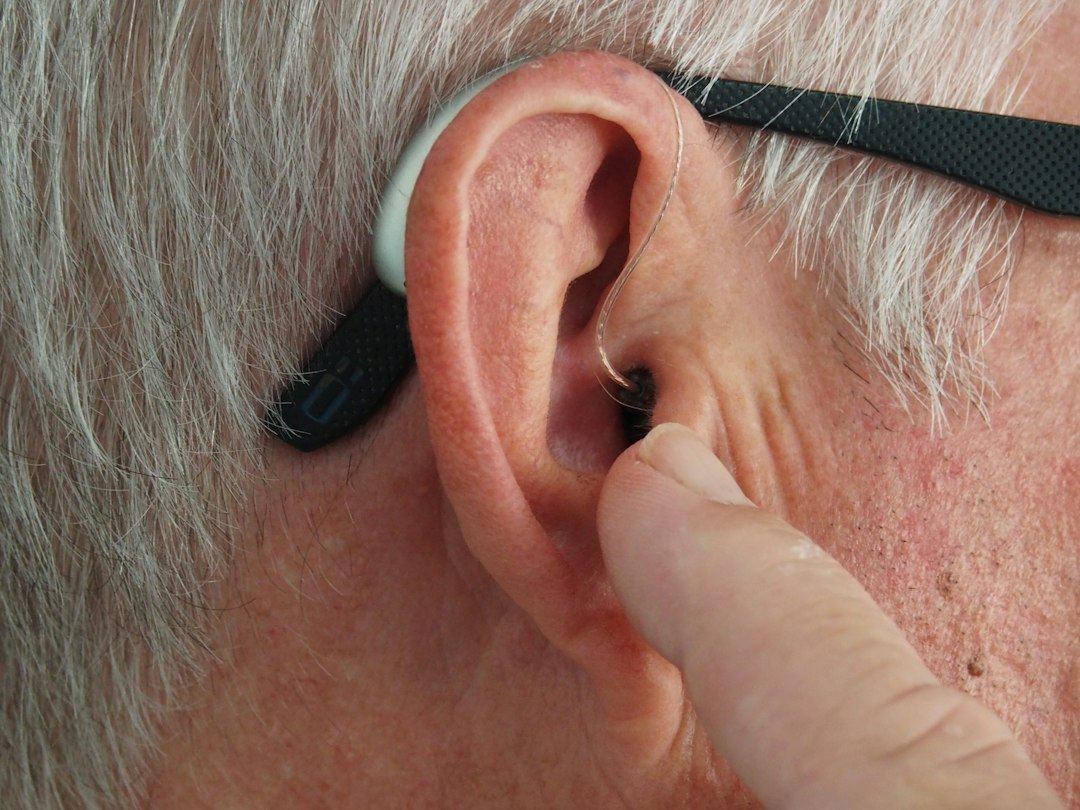
Asking people to repeat themselves
Needing someone to say things twice, especially in groups, suggests certain pitches are harder to catch than they used to be.
- 2
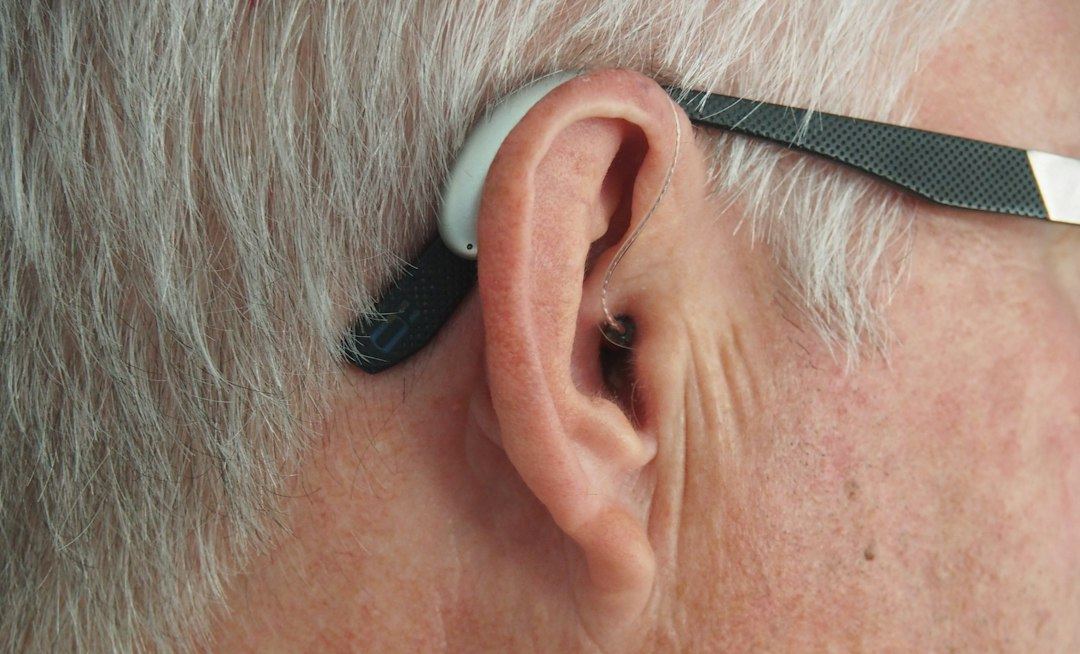
Turning the television up higher
If the volume sits noticeably higher than others prefer, your ears may be missing quieter parts of speech.
- 3
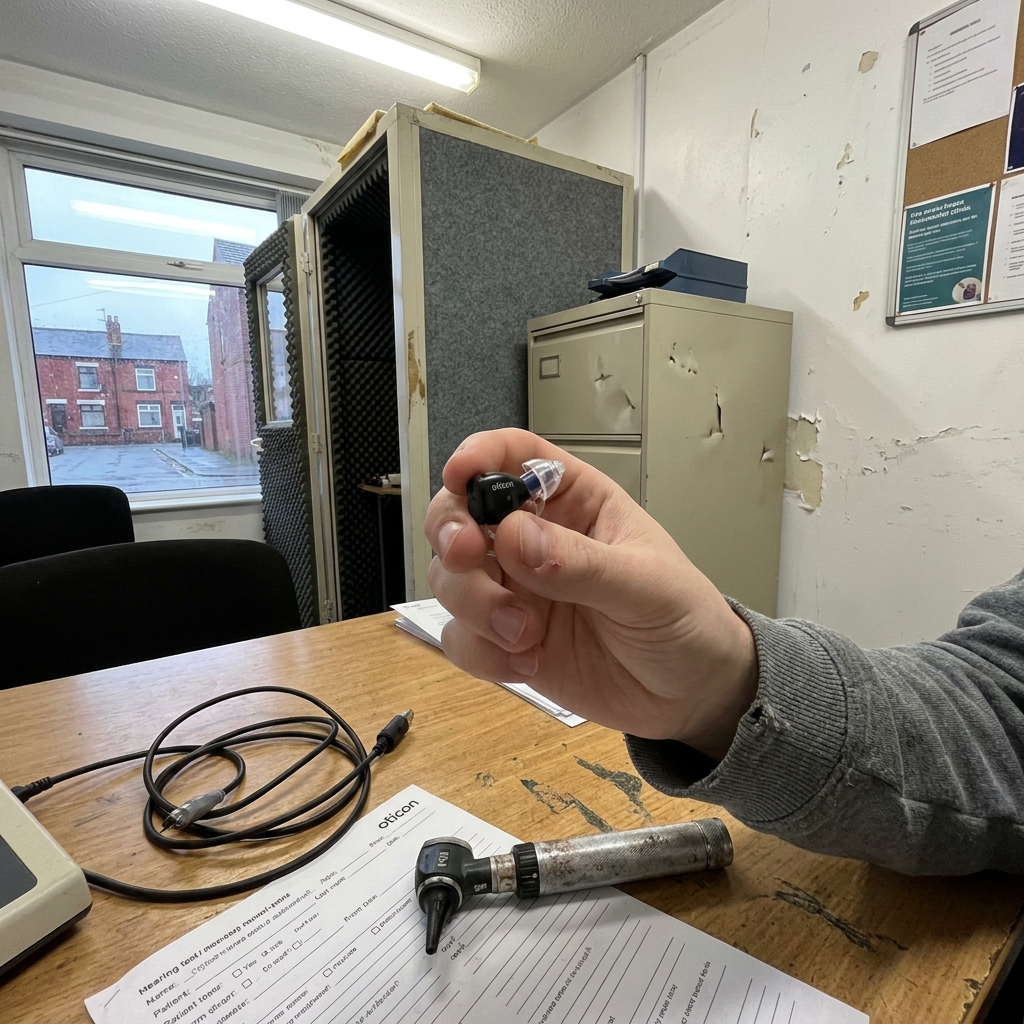
Struggling in busy rooms
You might hear someone speaking but struggle to pick out the words, especially if a television is on or other people are talking nearby. This often means speech sounds have blurred together.
- 4
Ringing or buzzing sounds
A persistent tone in one or both ears can accompany hearing changes, though it has many possible causes.
- 5
Feeling tired after talking
Working harder to follow conversations drains energy. Fatigue after socialising sometimes links to increased listening effort.
Questions about getting a hearing test
Answers to the things people ask before deciding whether to book an appointment in Salford.
- Does a hearing test hurt?
- No. You wear headphones and press a button when you hear tones. There is no physical contact with the inside of the ear during the standard test.
- How long does it take?
- Most appointments last between thirty and sixty minutes, including time to discuss the results and any next steps the audiologist recommends.
- Can ear wax cause hearing loss?
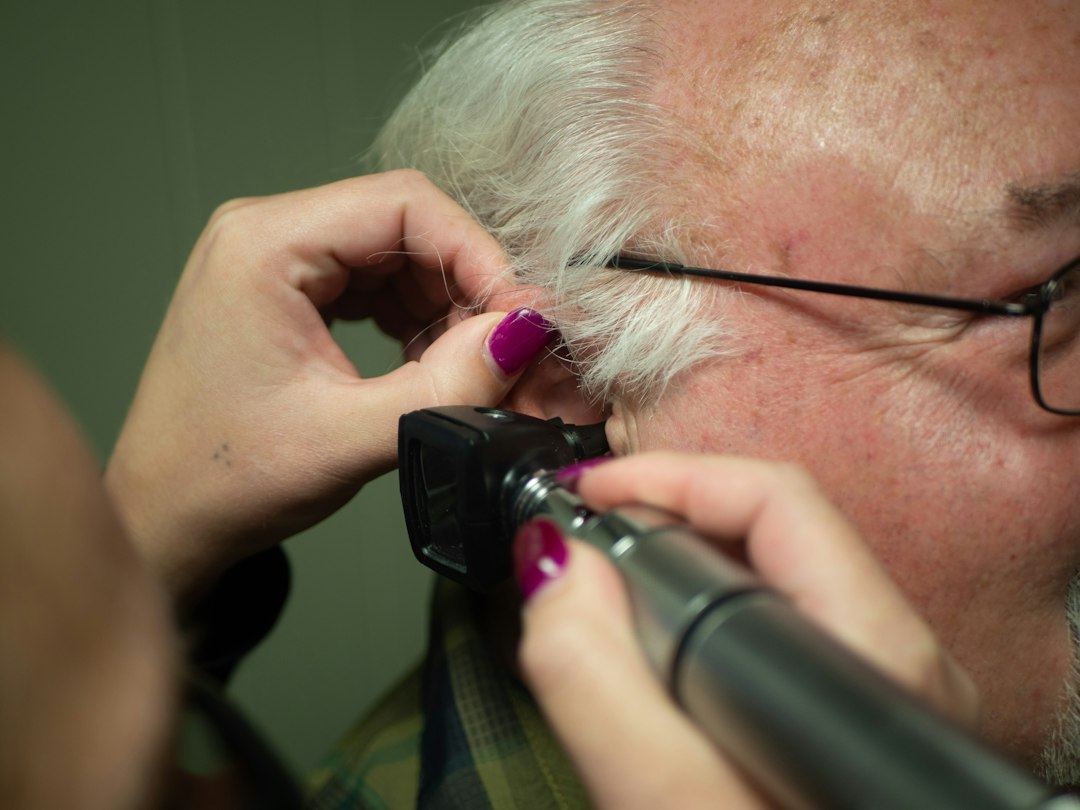
- Yes. A buildup can muffle sound significantly. An audiologist can check for wax before running a full hearing test to rule out a simple blockage.
- Do I need a GP referral?
- No. You can enquire directly. Specialist firms accept self-referrals for hearing tests without involving your GP first.
- What happens if the test finds a problem?
- The audiologist explains the results and discusses options, which might include hearing aids, wax removal, or a referral for further medical assessment.
Find out if a hearing test is right for you
Send an enquiry describing what you have noticed. A specialist firm will respond with information about testing in Salford. This does not commit you to an appointment or a purchase.
- No obligation to book
- Free initial enquiry
- Local Salford specialists