
Why your ear feels blocked and muffled
Send an enquiry about your blocked ear. A specialist clinic in Salford will reply with what to do next, and asking costs you nothing.
Why ears feel blocked and muffled
A blocked feeling in the ear usually means something is sitting in the ear canal that should not be there. Most of the time it is ear wax. The ear produces wax to trap dust and protect the skin inside the canal, but sometimes it builds up faster than it can fall out on its own.
When wax presses against the eardrum, sounds arrive quieter and less clearly. You might notice conversations sound distant, or that one ear seems to lag behind the other. Water from a shower can make this worse by swelling the wax and sealing the canal further.
Wax is the most common reason for a sudden muffled feeling, but it is not the only one. Fluid behind the eardrum after a cold, changes in air pressure, or inflammation in the canal can all produce a similar sensation. Because the symptoms overlap, guessing the cause at home rarely works.
Why poking at it makes things worse
The first instinct when an ear feels blocked is to reach for a cotton bud. This almost always pushes the problem deeper. Cotton buds are too wide to scoop wax out safely. Instead they pack it down against the eardrum, turning a loose build-up into a hard plug.
Hair grips, pen caps and fingers carry bacteria into the canal. The skin lining the ear is thin and easy to scratch, and a small scratch can become infected quickly. Once infection sets in, the canal swells shut, making the blocked feeling far worse and adding pain to the list of symptoms.
Ear candles do not work either. They deposit candle wax into the canal and carry a real risk of burning the outer ear. If the blockage does not clear by swallowing, yawning or gently pulling the outer ear back, leave it alone until someone with the right equipment looks inside.
What an audiologist looks at with an otoscope
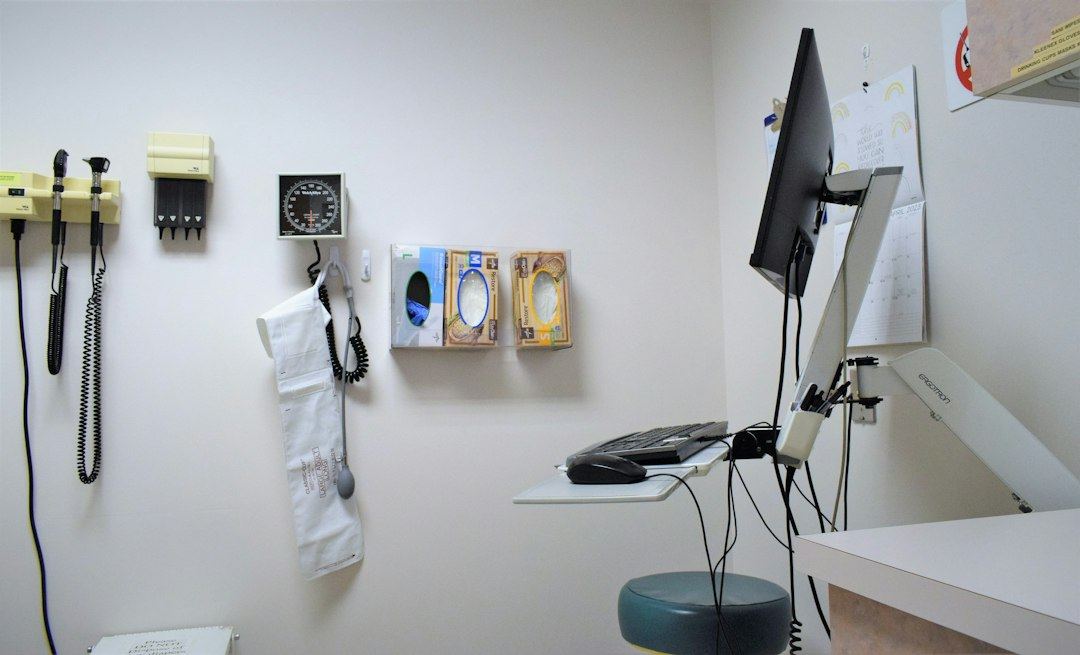
Before deciding on any treatment, an audiologist examines the ear canal with an otoscope. This is a handheld light with a magnifying lens that shows exactly what is happening past the opening of the ear.
The audiologist checks how much wax is present, whether it is soft or hardened, and how close it sits to the eardrum. They also look at the skin of the canal for redness, swelling or scratches that might suggest infection rather than a simple wax plug. The eardrum itself is checked for fluid behind it or signs of damage.
This examination takes a few minutes and does not hurt. It determines whether wax removal is appropriate, which method suits the ear best, or if the problem needs a different kind of attention entirely. Without looking inside first, no responsible specialist will attempt to clear a blockage.
How specialist clinics remove ear wax
Once the audiologist has seen inside the ear and confirmed wax is the problem, they choose a removal method based on what they found. Microsuction uses a small vacuum tip to lift wax out under direct vision. It is dry, quick and generally well tolerated.
Irrigation flushes the canal with a controlled stream of warm water. This suits softer wax or ears where microsuction would be uncomfortable. Sometimes both methods are used together, loosening the wax with water before lifting the remainder out.
These procedures are carried out by separate specialist firms who handle the clinical work directly. The audiologist performing the procedure watches the canal through magnification the entire time, stopping immediately if anything causes discomfort. After clearing the wax, they examine the eardrum again to confirm the canal is open and the drum is intact. Most people notice the difference in their hearing straight away.
My ear feels full and I cannot hear properly
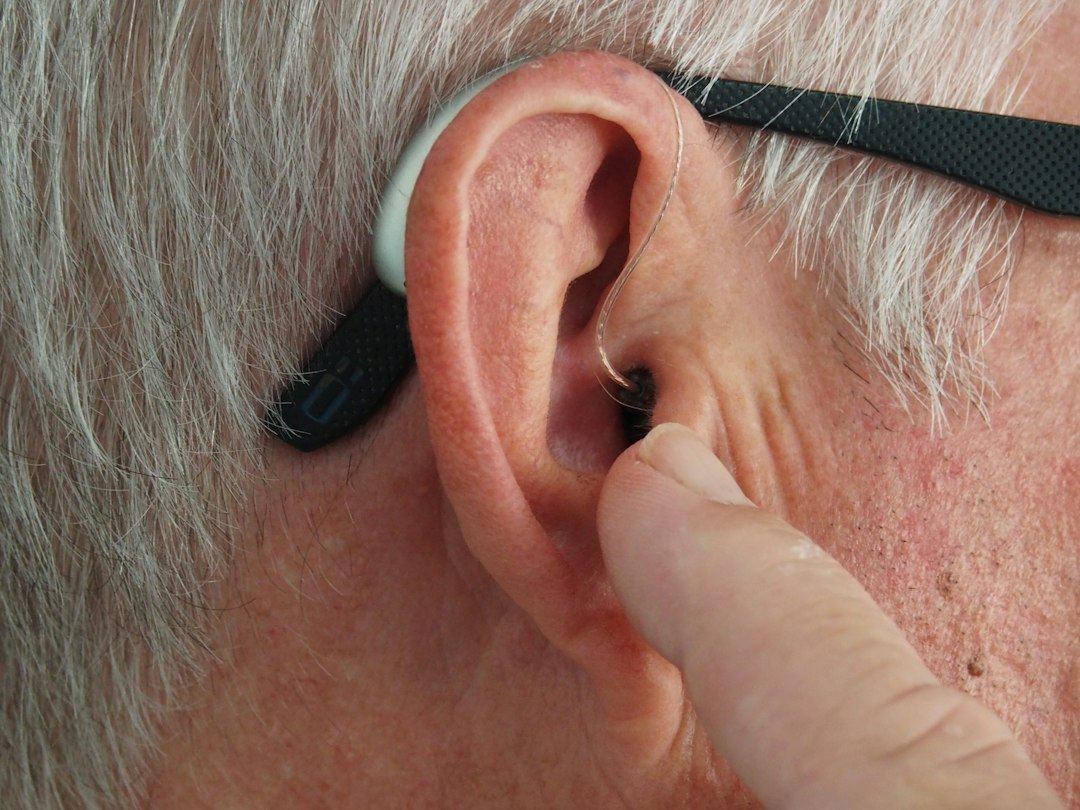
A blocked ear happens when something fills the canal or prevents the eardrum from moving freely. Sound travels poorly through the obstruction, so everything on that side becomes quieter and harder to follow.
- 1
Muffled hearing on one side
Speech and background noise sound distant or underwater in one ear while the other hears normally. This often points to wax pressing on the eardrum.
- 2
A feeling of fullness
The ear feels stuffed or pressurised, similar to descending in an aeroplane. Swallowing or yawning does not clear it.

- 3
Ringing or buzzing
A low hum or high ring starts in the blocked ear. Trapped wax can irritate the canal and cause temporary tinnitus.
- 4
Mild earache
A dull ache or itching deep in the ear. Hardened wax stretches the sensitive skin of the canal, which can become sore over several days.
Questions about a blocked ear
Things people ask when an ear stops hearing clearly and will not clear on its own.
Will my hearing go back to normal once the wax is out?
If wax caused the blockage, hearing usually returns as soon as the canal is clear. If the muffled feeling was caused by fluid or infection, it may take longer to settle after treatment.
Can I use olive oil drops to clear it myself?
Oil drops soften hard wax, which can help it move out naturally. But if the canal is fully blocked, softened wax can swell and make the muffled feeling worse before it gets better.
Is ear wax removal painful?
Microsuction and irrigation are generally comfortable. You might feel a cool draft or hear rushing water, but neither method should hurt. Tell the audiologist if you feel any sharp pain so they can stop.
How long does an appointment take?
The examination and removal together usually take between twenty and thirty minutes. More stubborn blockages can take slightly longer, especially if the wax needs softening during the visit.
Could a blocked ear mean something serious?
Most blockages are wax or fluid from a recent cold. But sudden hearing loss without an obvious cause needs urgent assessment. An audiologist can tell the difference during the initial examination.
Get your blocked ear looked at
Send the details of what you are experiencing. A specialist firm in Salford will read them and suggest the next step. There is no obligation to book an appointment.
- No obligation to proceed
- Read by a local clinic
- Free to enquire