Your questions
Answers about hearing tests, wax and aids
Send an enquiry about your ears or ask for a booking. It costs nothing to describe what you have noticed, and there is no obligation to go ahead with any appointment.
Why people look into their hearing
Most visitors arrive here because something small has changed. A television volume crept up over a few months. Conversations in a busy room started to feel like hard work. These shifts happen slowly, so it is easy to put them down to tiredness or background noise.
A hearing test measures exactly what the ear picks up across different pitches. The audiologist records the results on a chart that shows where sound gets through clearly and where it fades. That chart gives you facts instead of guesses.
Sometimes the cause is not hearing loss at all. Wax builds up in the canal and blocks sound from reaching the eardrum. Removal clears the blockage, and hearing returns to normal without any further treatment. Finding out which situation applies to you takes one visit.
What happens during a hearing test
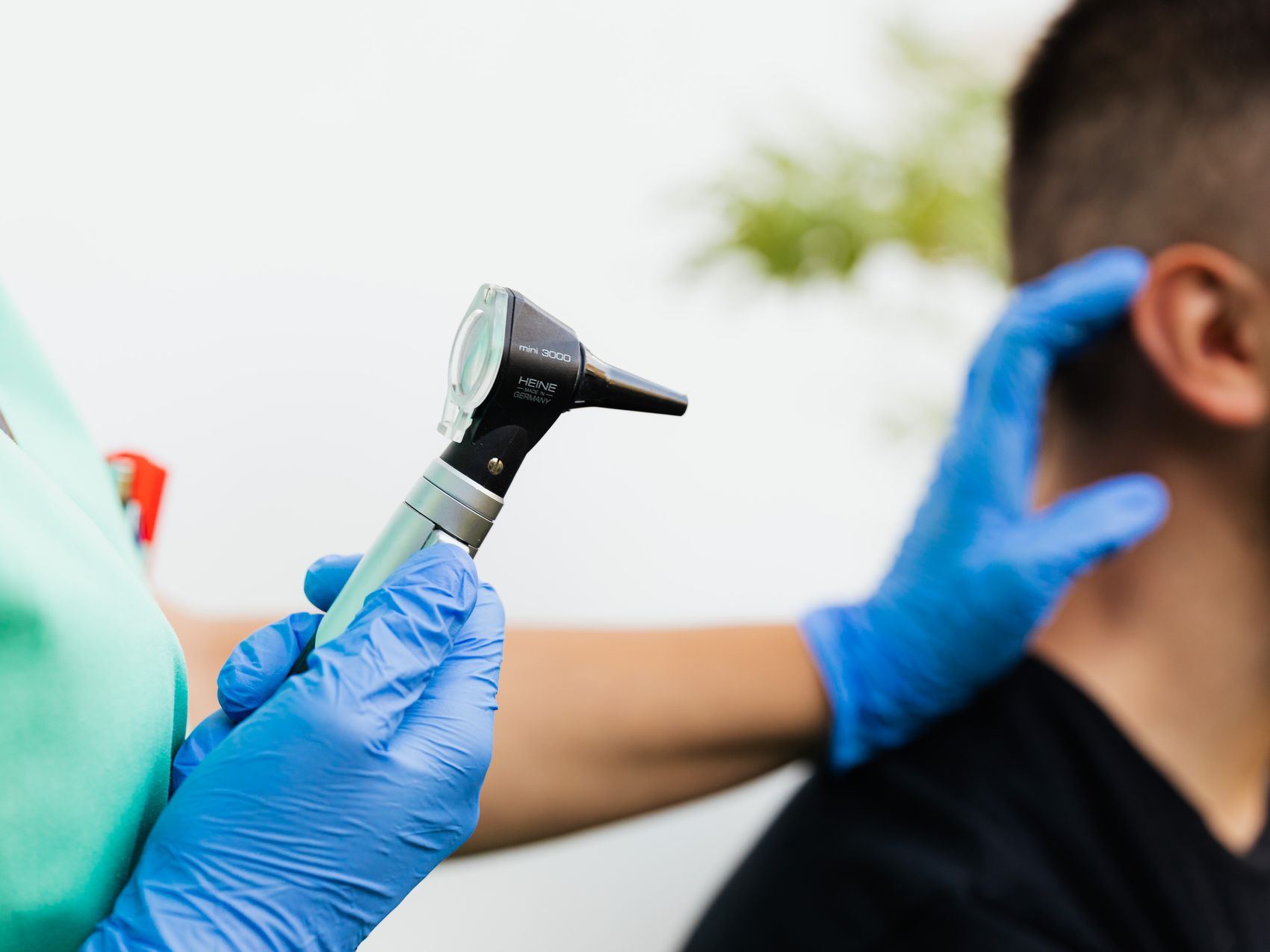
The test takes place in a quiet room. You wear headphones and listen for tones at different pitches and volumes. Each time you hear one, you press a button or raise a hand. The audiologist adjusts the sounds to find the softest level you can detect.
After the tones, there may be a speech test. You repeat words played through the headphones, sometimes with background noise added. This checks how well you follow conversation rather than just pure sound.
The whole appointment usually lasts under an hour. You see the results immediately. If the audiologist finds a loss, they explain what type it is and whether a hearing aid would help. If your ears are clear, they tell you that too. You leave knowing more than when you walked in.
How ear wax removal works
Wax is produced by the ear to protect the canal. Sometimes it accumulates faster than it falls out naturally. When that happens, sound has to travel through a thicker barrier, and everything seems muffled.
Specialist clinics use microsuction or irrigation to remove the build-up. Microsuction uses a gentle vacuum to draw the wax out while the clinician watches through a microscope. Irrigation flushes the canal with warm water at low pressure.
Both methods are carried out by trained professionals. Cotton buds push wax deeper and can damage the eardrum, so they should stay out of the canal entirely. If your ear feels blocked, a proper removal appointment resolves it safely.
Choosing hearing aids
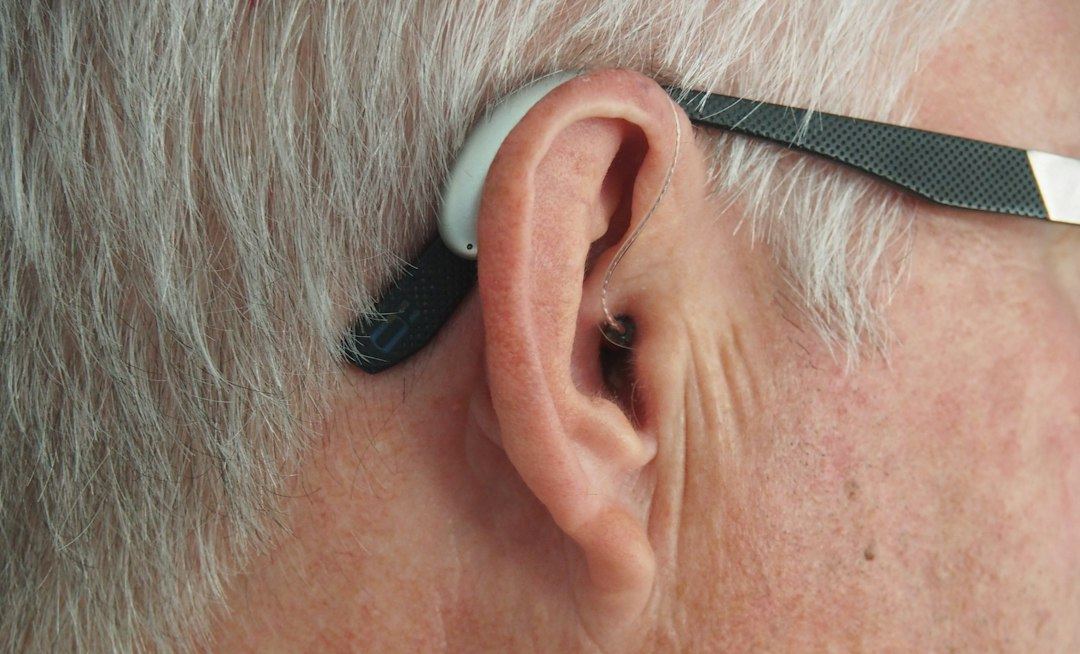
If a test confirms a loss that affects daily life, hearing aids are the standard way to manage it. Modern devices sit behind or inside the ear and amplify specific frequencies rather than making everything louder.
An audiologist programs the aid based on your test results. They adjust the settings over the first few weeks as your brain adapts to hearing sounds it had been missing. Background noise that seemed overwhelming at first settles down.
You do not have to decide on the spot. Take the test results home and think about whether amplification fits your routine. Some people need aids only for meetings or social events; others wear them all day. The choice stays yours.
Signs your hearing might have changed
Hearing loss rarely arrives suddenly. It tends to show up as small frustrations that build over weeks until you start wondering if something is wrong with your ears.
- 1
Turning the TV up higher
Other people in the room mention the volume, or you notice you set it higher than you used to. This often points to reduced sensitivity at certain pitches.
- 2
Asking people to repeat themselves
You catch that someone spoke but miss the actual words. This happens most often with softer consonants that carry meaning in a sentence.
- 3
Struggling in noisy rooms
Pubs and restaurants become tiring because background chatter competes with the person sitting opposite you. Speech clarity drops even if volume seems fine.
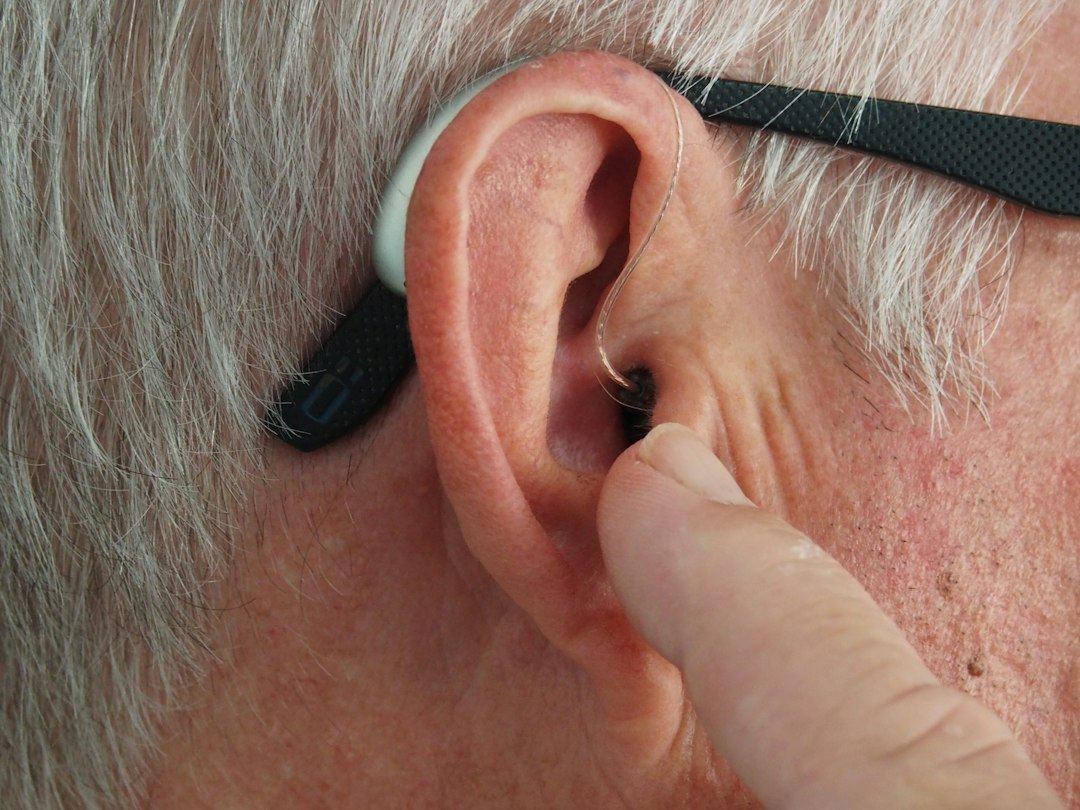
- 4
A ringing or buzzing sound
Tinnitus can accompany hearing changes or appear on its own. It may be constant or come and go, and it warrants a check by an audiologist.
Common questions about ear care
These are the things people ask before booking a test or wax removal appointment in Salford.
Does a hearing test hurt?
No. You sit in a quiet room wearing headphones and respond to sounds. Nothing goes inside your ear beyond the headphone cushion. The test is painless and non-invasive.
Can I remove ear wax myself at home?
Drops can soften wax, but cotton buds push it deeper and risk damaging the eardrum. Specialist removal is safer and more effective than home methods.
Will I definitely need hearing aids?
No. Many people take a test and find their hearing is within normal limits. Even when a loss is present, aids are recommended only if they would improve your daily life.
How long does the appointment take?
A standard hearing test takes around thirty to forty-five minutes. Ear wax removal appointments are similar in length. Allow an hour so there is no rush.
Do I need a referral from my GP?
No. You can book directly with an audiologist. A referral is only necessary if you want the appointment handled through NHS pathways rather than privately.
Tell us what you have noticed
Send a short description of the problem with your ears. An audiologist will read it and reply with advice or available appointment times. You are not committing to anything by writing in.
- No obligation to book
- Free initial advice
- What happens after you get in touch